Samsung Galaxy Watch Ultra 2 Review: A Rugged Smartwatch That Does More Than Most People Need
Samsung built the
Galaxy Watch Ultra 2 for hikers, divers, and endurance athletes. But does it also work as a daily driver for someone who just wants to track steps and catch notifications? I wore it every day for weeks to find out, and I compared it directly against an
Apple Watch Series 11 to see how it holds up outside the marketing brochure.
This review skips the spec-sheet fluff. Instead, it focuses on how the watch actually feels on the wrist, how the battery performs in real life, and whether the price tag makes sense for a typical buyer in 2026 and beyond.
Design and Build: A Titanium Tank on Your Wrist
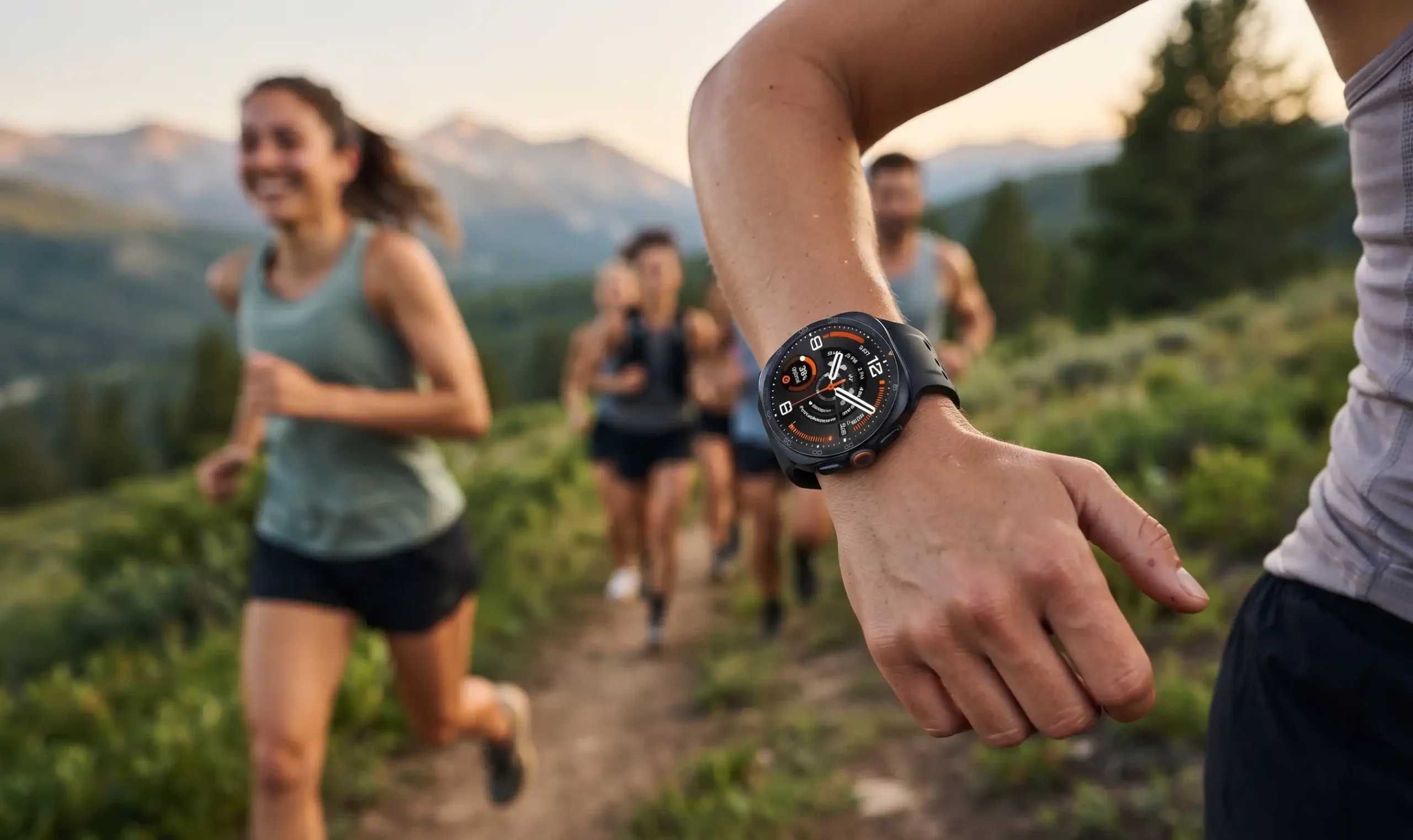
Samsung uses Grade 4 titanium for the case and tops it with sapphire crystal glass. The watch feels dense and premium the moment you pick it up. At 47mm and 61.5g, it sits noticeably larger than most everyday smartwatches, including the Apple Watch Series 11 I normally wear.
I didn’t find the weight uncomfortable, but I always noticed it. The case carries a raised bezel and chunky buttons that scream “rugged tool” rather than “lifestyle accessory.” Still, Samsung shaved down some bulk compared to the original Ultra, so the watch reads as purposeful rather than oversized for the sake of it.
The strap deserves credit too. It stays flexible, doesn’t dig into the skin, and holds up well through long days. Sleeping with it took some adjustment during the first week, since the case sits taller than a typical watch. That said, once I got used to the size, the comfort held up during workouts, meetings, and everything in between.
Samsung rates the watch to 10ATM and IP68, and it also carries MIL-STD-810H military-grade durability and an EN13319 dive certification down to 40 metres. Most buyers will never test those limits, but the certifications explain why the case feels so solid.
Display: Genuinely Excellent, Even in Direct Sunlight
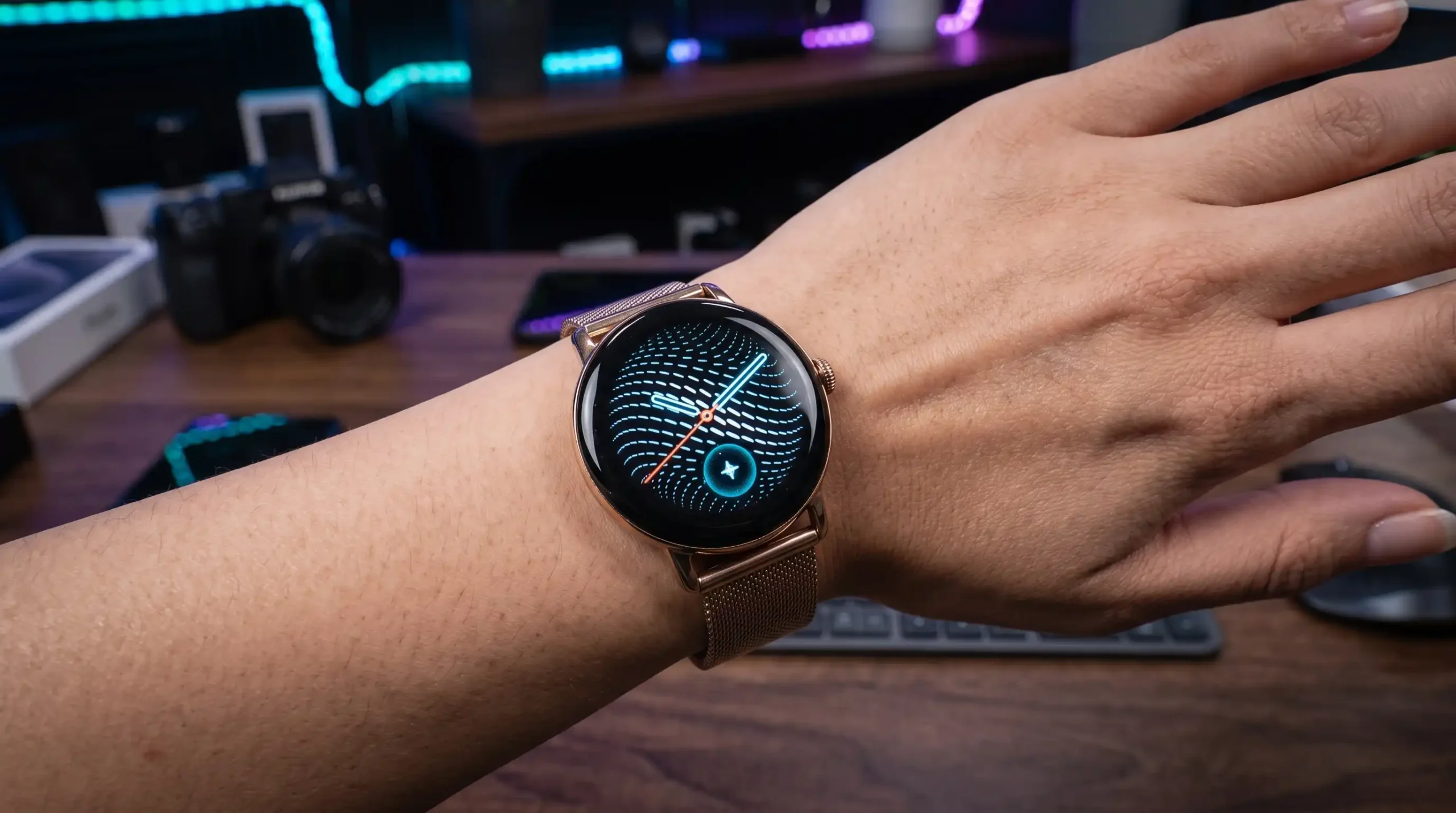
The 1.52-inch Super AMOLED panel runs at 480×480 resolution, and it looks sharp and vivid in everyday use. Touch response felt fluid throughout testing, with no lag when swiping between widgets or scrolling through notifications.
The real standout is brightness. Samsung pushes the panel to a peak of 5,000 nits, which sounds like overkill for a wearable. Indoors, that headroom does nothing special. Step outside under harsh midday sun, though, and the screen stays fully legible with almost no glare. Anyone who has squinted at a smartwatch display outdoors will appreciate this upgrade immediately.
Performance and Software: Smooth, Familiar, and Increasingly AI-Driven
The Qualcomm
Snapdragon Wear Elite chip powers the watch, backed by 2GB of RAM and 64GB of storage. The interface stayed smooth throughout testing, even when I jumped quickly between notifications, workout tracking, and media controls. Flagship-tier hardware should deliver that kind of responsiveness, and it does.
Wear OS 7 runs underneath Samsung’s One UI 9 Watch skin. The layout felt familiar coming from past Galaxy Watch experience, but the software now does more than just mirror phone notifications. It behaves like a genuine extension of a Galaxy phone rather than a simple screen on your wrist.
Connectivity options include LTE, NFC, Wi-Fi, and dual-frequency L1+L5 GPS. Runners, cyclists, and hikers will notice the GPS accuracy far more than someone whose biggest outdoor activity is a walk to lunch.
How the Fitness Tracking Performs for Everyday Users
I’m not the target athlete for this watch. My workouts amount to an early morning jog or the occasional game of badminton. So I tested the Ultra 2 the way a typical buyer would, not the way Samsung’s trail-running marketing suggests.
Step counts stayed close to the Apple Watch Series 11 throughout testing, usually within 250 to 300 steps over a 10,000-step day. Heart-rate readings during regular activity also lined up closely between both devices. For casual users, that consistency matters more than any spec on paper.
Health Sensors and AI Features: More Context, Not Just More Numbers
Samsung’s BioActive Sensor combines optical heart rate, an electrical heart signal sensor, and bioelectrical impedance analysis. The watch also includes temperature, accelerometer, barometer, and gyroscope sensors, giving it one of the more complete health-tracking setups on the market.
AI-driven analysis turns those raw numbers into something more useful. The watch flags irregular breathing during sleep and alerts you to unusual shifts in heart rate, heart rate variability, breathing rate, skin temperature, or blood oxygen. Daily Cardio Load suggests how much cardio you should aim for based on recent activity and recovery.
A Hearing feature monitors ambient noise levels and warns you when sound reaches potentially damaging levels. Raise to Talk lets you speak commands to the watch simply by lifting your wrist, which turns out to be genuinely handy when your hands are full.
These tools add context to your health data instead of just piling on more numbers inside the Samsung Health app. That distinction matters for people who don’t want to become amateur data analysts just to understand their own body.
Battery Life: Finally a Reason to Stop Worrying
Battery life used to be the main reason to hesitate on Samsung’s smartwatches. The Ultra 2 changes that with an 800mAh battery. Samsung claims up to 60 hours with the always-on display active, or up to 80 hours with it off.
Real-world use came close to those claims. The watch comfortably lasted three days under moderate use, or about two full days when I wore it to bed every night for sleep tracking. That easily outlasts the Apple Watch Series 11, which typically needs a nightly charge.
Charging speed is the letdown. A full charge from zero took an hour and 40 minutes, noticeably longer than the sub-hour charge time on the Series 11. On mornings when I needed a fast top-up before work, that gap became frustrating.
Price and Value: Is It Worth the Investment?
Samsung prices the Galaxy Watch Ultra 2 at $685 to $690 USD. Keep in mind that currency values shift over time, so always check a live converter for the most accurate figure before making a purchase decision.
At that price, the watch competes directly with premium sports watches and rugged smartwatches from other brands. Buyers who actually use dive certification, trail-running tools, and dual-frequency GPS will get real value from the hardware. Casual users who mostly track steps and check notifications may find a standard Galaxy Watch more than sufficient.
Who Should Buy the Galaxy Watch Ultra 2?
This watch makes the most sense for hikers, divers, endurance athletes, and anyone who wants rugged durability alongside serious battery life. It also suits Galaxy phone owners who want their smartwatch to feel like a true extension of their ecosystem rather than a bolt-on accessory.
Casual users who mainly want notifications, basic fitness tracking, and a comfortable everyday watch will likely find the size and price harder to justify. The regular Galaxy Watch line covers those needs at a lower cost and with a smaller case.
Frequently Asked Questions
Does the Galaxy Watch Ultra 2 work well for non-athletes? Yes, but you pay for capability you may never use. Everyday tracking, notifications, and battery life all perform well, even if you never touch the dive or trail-running features.
How does the battery compare to other premium smartwatches? The 800mAh battery consistently delivers two to three days of real-world use, which beats most competing smartwatches that need daily charging.
Is the 5,000-nit display necessary? Indoors, no. Outdoors under direct sunlight, the extra brightness makes a real difference in legibility and reduces glare significantly.
Quick Verdict
| Specification |
Rating (1–10) |
| Design and Build Quality |
9 |
| Display |
9 |
| Performance and Software |
8 |
| Health and Fitness Tracking |
8 |
| Battery Life |
9 |
| Charging Speed |
6 |
| Value for Everyday Users |
6 |
| Overall |
8 |
Pros and Cons
Pros
- Excellent titanium build with sapphire crystal protection
- Outstanding 5,000-nit display, highly legible in direct sunlight
- Long battery life, easily lasting two to three days
- Comprehensive health sensors backed by useful AI insights
- Smooth, responsive performance from the Snapdragon Wear Elite chip
Cons
- Large and heavy compared to most everyday smartwatches
- Slow charging time of roughly 1 hour 40 minutes
- Many premium features go unused by casual, non-athlete buyers
- High price relative to the standard Galaxy Watch lineup