Why I Trust Data Over Reviews When It Comes to Sleep
I’ve spent over five years testing sleep gadgets professionally. I’ve measured my own sleep with wearables, smart mattress covers, and sleep clocks. As a certified sleep science coach, I keep running into the same problem: most people see a low sleep score and have no idea what actually caused it, let alone how to fix it.
So I built a personal testing system. I tried cooling mattress covers, meditation apps, colored noise, and even fully tech-free habits to figure out what genuinely improves sleep quality. This article breaks down that method, plus a real case study from testing the Loop Eclipse sleep mask against my own baseline data.
Why Online Reviews Alone Won’t Fix Your Sleep
Most shoppers pick sleep products based on online reviews, and those reviews are almost entirely anecdotal. Reviews can point you in a useful direction, but sleep itself stays deeply personal. A pillow that changes everything for a back sleeper might trigger neck pain for a side sleeper.
Too many variables shape sleep quality to trust a single “best” product for everyone. Sleeping next to a partner, regulating body temperature, and managing snoring all interact differently for each person. Tracking your own data remains the only reliable way to figure out what actually works for your body.
Start With Your Baseline Sleep Data
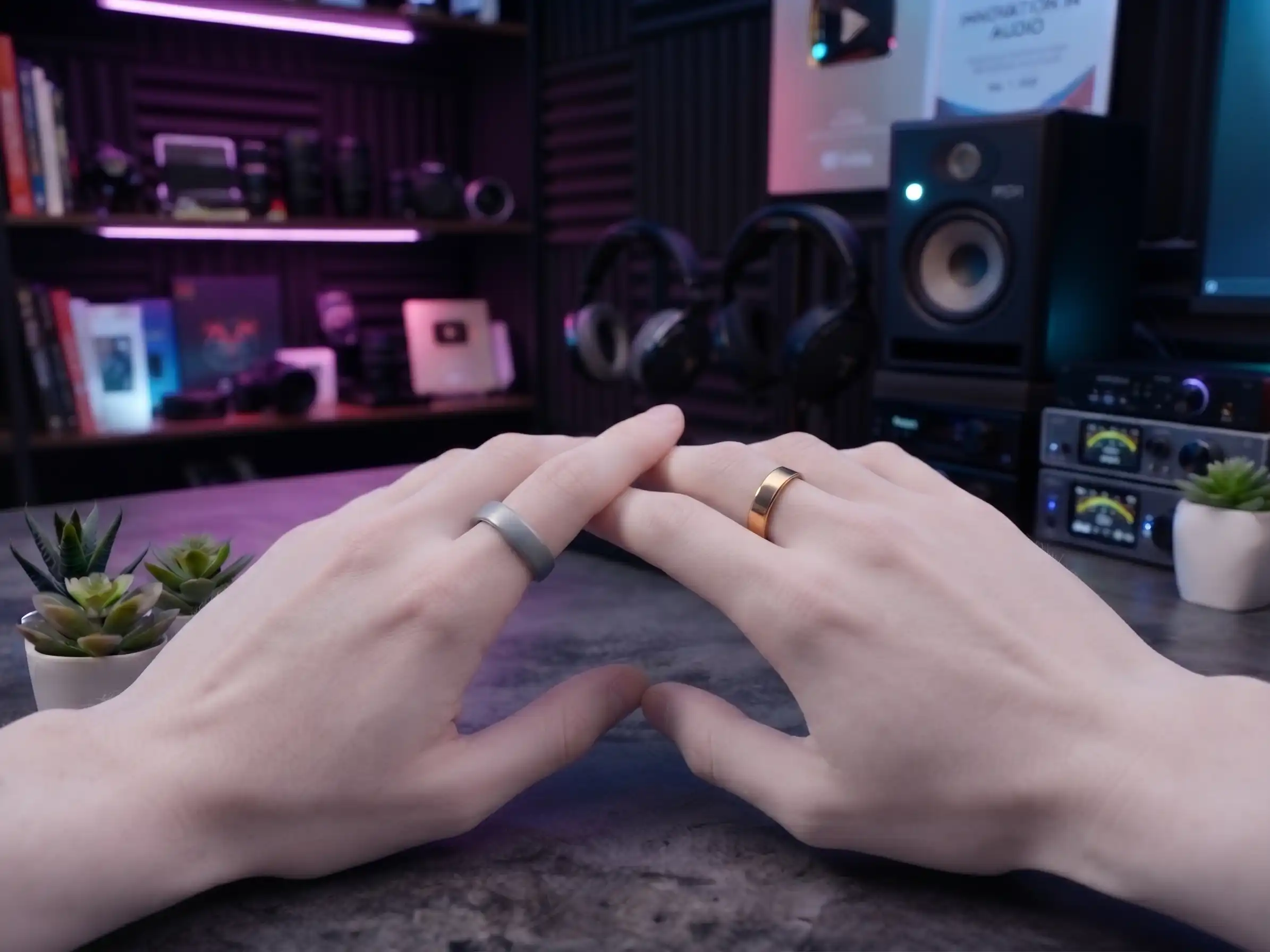
Before testing anything new, I always establish a baseline first. Right now, my Oura Ring 5 shows a consistent sleep score around 75 over the past few weeks. That number matters because you can’t optimize something you haven’t measured yet. It also gives you the only real way to confirm whether a change actually worked.
Once you know your baseline, patterns start to emerge. In my case, I noticed fragmented sleep in the early morning hours, with short wake-ups a couple of hours before I fully got up.
I already suspected light leaking through my blinds caused those wake-ups. I usually fell back asleep quickly, so I never gave it much thought. Tracking my sleep changed that. The data revealed how much those interruptions were dragging down my sleep efficiency and costing me points on my overall score.
Why You Should Test One Variable at a Time
Most people trying to fix bad sleep change several things simultaneously. They buy a new pillow, start a new bedtime routine, and add supplements all in the same week. Then they can’t tell which change actually helped.
I take a more controlled approach. I introduce one new variable at a time, whether that’s a new pillow, a new mattress, or a habit like box breathing. I track the data for a few weeks to a few months, depending on what I’m testing, before drawing any conclusions.
Trends matter more than any single night’s score. Stress, anxiety, or even a late dinner can tank one night’s sleep score without meaning much long-term. Sleep trackers also estimate your sleep rather than directly measuring brainwave activity, so short-term noise in the data is normal. Long-term patterns tell the real story.
Case Study: Testing the Loop Eclipse Sleep Mask
I wanted to fix my early-morning light disruption, so I tested whether a sleep mask could solve it. I chose the Loop Eclipse because it checked every box I needed: contoured eye cups that avoid eye pressure, an adjustable non-slip strap, breathable fabric, and full light blockage.
Side sleepers know the usual problem with sleep masks. As soon as you turn on your side, the mask presses against the pillow, and a small gap opens near the nose that lets light through. The Loop Eclipse solves this with removable eye cups that form a seal regardless of sleep position, whether you sleep on your back, side, or stomach. Anti-slip grip zones on the band also keep the mask from shifting overnight.
As a hot sleeper, fabric matters just as much as light-blocking to me. Trapped heat on my face disrupts sleep almost as badly as light does. The Loop Eclipse uses breathable nylon-spandex that didn’t leave me sweating through the night.
The Results After Three Weeks
After wearing the Loop Eclipse for three consecutive weeks, my average sleep score climbed to nearly 85. That’s a 10-point jump from my baseline. The data showed extended REM cycles leading into my wake-up time, far fewer early-morning awakenings, and noticeably less grogginess each morning.
This mask earned a spot on my recommendation list partly because it carries a SleepScore Validated seal. SleepScore Labs, an independent digital health research company, tested the mask across 1,000 nights of real sleep. Researchers measured light disturbance, sleep efficiency, and morning alertness using participants sleeping in their normal environments, not a lab setting.
That validation doesn’t guarantee the mask will fix everyone’s sleep. It does confirm the product underwent objective testing and produced measurable improvements for real users. If light disruption sounds like your specific problem, the Loop Eclipse is a strong, evidence-backed option to try.
Your issue might not be light at all. Maybe temperature control is the real culprit, or your mattress firmness doesn’t match your sleep position. Testing and tracking your own data remains the only way to find your actual answer.
How to Run Your Own Sleep Experiment at Home
You don’t need professional equipment to run this same process. If you already own an Oura Ring, Whoop, Apple Watch, Eight Sleep, or any other tracker, you have a capable lab sitting on your wrist right now.
- Establish your baseline. Track your sleep for at least two to three weeks. Note what time you wake up, whether you wake up sweating, and whether you feel rested.
- Identify your specific problem. Compare your data against your own observations. I noticed disrupted sleep in the morning and connected it to light exposure through my blinds.
- Introduce one intervention. Give any single change at least a few weeks before judging results. Even a “failed” test tells you what to rule out.
- Add the next variable. Once you’ve confirmed whether the previous change worked, move on to testing something new.
This process takes patience, but it removes the guesswork that makes most sleep advice feel generic and unhelpful.
The Bottom Line on Sleep Tracking
Sleep tracking works best as a pattern-recognition tool, not a nightly scorecard to obsess over. Chasing a perfect score every single night misses the point entirely. Use your data to spot trends, test one change at a time, and build a routine based on evidence rather than guesswork. Your sleep is unique to you, and with a bit of patience, your own data will show you exactly what moves the needle.
Quick Verdict: Loop Eclipse Sleep Mask
| Feature | Rating (1–10) |
|---|---|
| Light Blockage (All Sleep Positions) | 9.5 |
| Comfort (Contoured Eye Cups) | 9 |
| Breathability / Heat Management | 8.5 |
| Strap Stability (Anti-Slip Grip) | 9 |
| Independent Validation (SleepScore Labs) | 9 |
| Overall Impact on Sleep Score | 9 |
Pros
- Independently validated by SleepScore Labs across 1,000 nights of real-world testing
- Fully blocks light in every sleep position, including side sleeping
- Breathable nylon-spandex fabric prevents overheating
- Non-slip strap keeps the mask in place overnight
- Delivered a measurable 10-point sleep score improvement in personal testing
Cons
- Only addresses light-related sleep disruption, not temperature or mattress issues
- Results depend on identifying the correct root cause first through tracking
- Requires a compatible sleep tracker to measure before-and-after impact accurately