Best Fitness Trackers: Top Picks for Heart Rate, Calories and Step Tracking
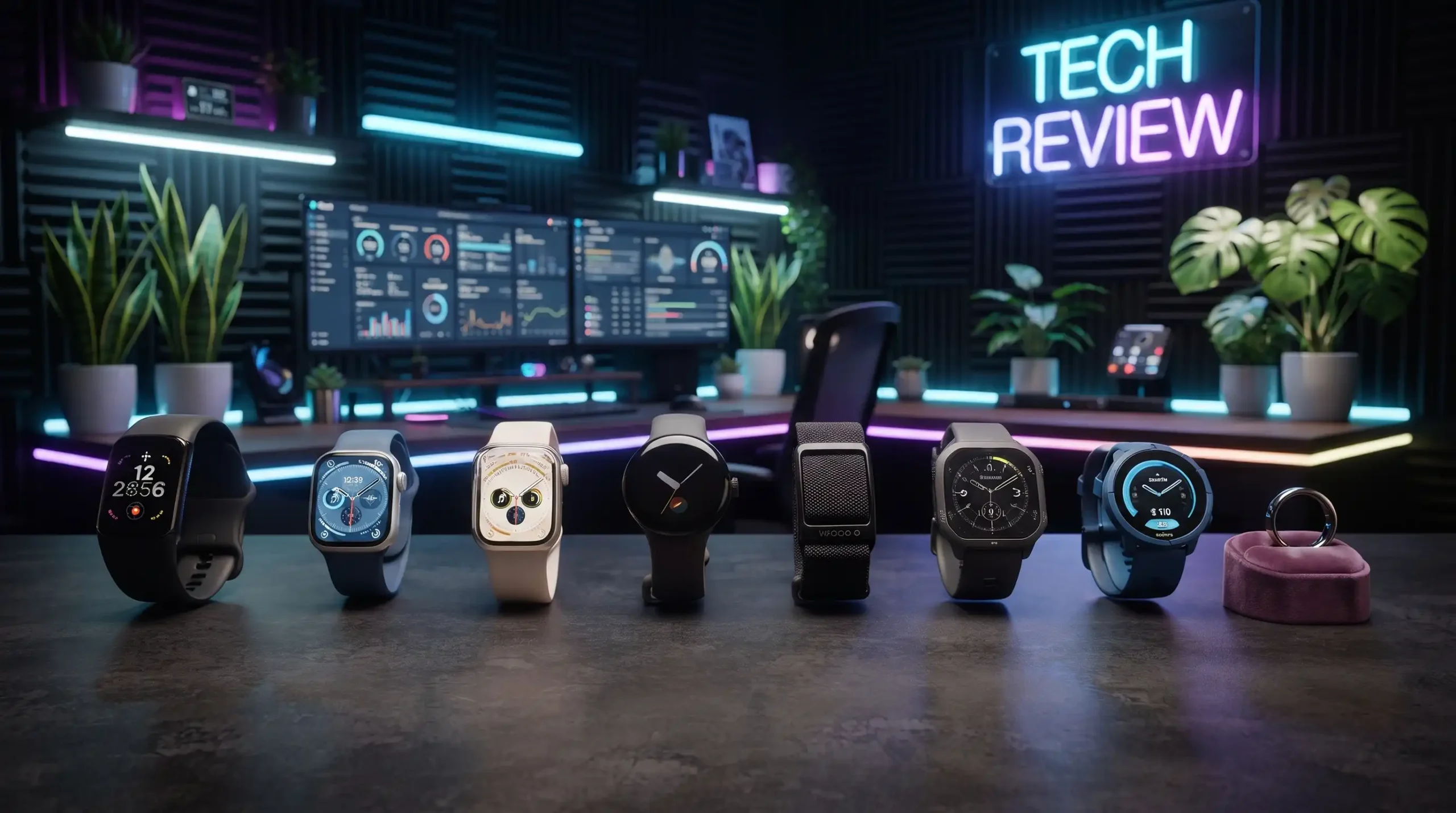
Fitness trackers do far more than count steps today. The best models now monitor heart rate, sleep quality, stress levels, and even hint at your cardiovascular age. We tested a wide range of trackers across running, hiking, weightlifting, and Pilates sessions to find the ones worth your money.
This guide breaks down our top picks by category, compares specs side by side, and walks through the factors that actually matter before you buy.
Best Fitness Tracker Overall: Fitbit Charge 6
The Fitbit Charge 6 earns our top spot as an all-around fitness tracker. Its SmartTrack feature automatically logs your workouts and supports more than 40 exercise types. It tracks steps, heart rate, calories burned, and VO2 max without much manual input.
Pros
- SmartTrack automatically records your workouts
- Built-in GPS works well for runners
- Includes sleep and stress scores
- Water resistant up to 50 meters
- Supports YouTube Music, Google Maps, and Google Wallet
Cons
- SmartTrack sometimes fails to stop your workout automatically
- YouTube Music Premium requires a subscription and doesn’t support offline playback
- Several features stay locked behind a Fitbit Premium subscription
Best for Apple Users: Apple Watch Series 11
Apple’s flagship smartwatch adds real health credibility this generation. The FDA cleared its hypertension alert feature, which flags signs of chronically high blood pressure. Battery life stretches past 24 hours, and the screen resists scratches twice as well as earlier models.
Pros
- FDA-cleared hypertension alerts
- Battery lasts over 24 hours with fast charging
- More reliable cellular and 5G connectivity
- Screen resists scratches twice as well as before
- Tighter, more cohesive integration with iOS
Cons
- Uses the same processor as older models
- Design barely changed from the previous generation
- Lacks dual-band GPS
- Gesture controls still only support a few pre-set actions
Best Budget Apple Option: Apple Watch SE 3
The Apple Watch SE 3 delivers most of the Series 11 experience at nearly half the price. It runs the same S10 processor as the pricier Series 11 and Ultra 3 models, so daily performance feels nearly identical.
Pros
- Always-on display
- Charges to 8 hours of use in just 15 minutes
- Shares the S10 processor with flagship models
- Costs almost half as much as the Series 11
- Offers 5G connectivity on cellular models
Cons
- Skips blood oxygen tracking and hypertension alerts
- Lacks an ECG feature entirely
- Uses a smaller, dimmer display
- Battery still lasts just one day and night per charge
Best for Android Users: Pixel Watch 4
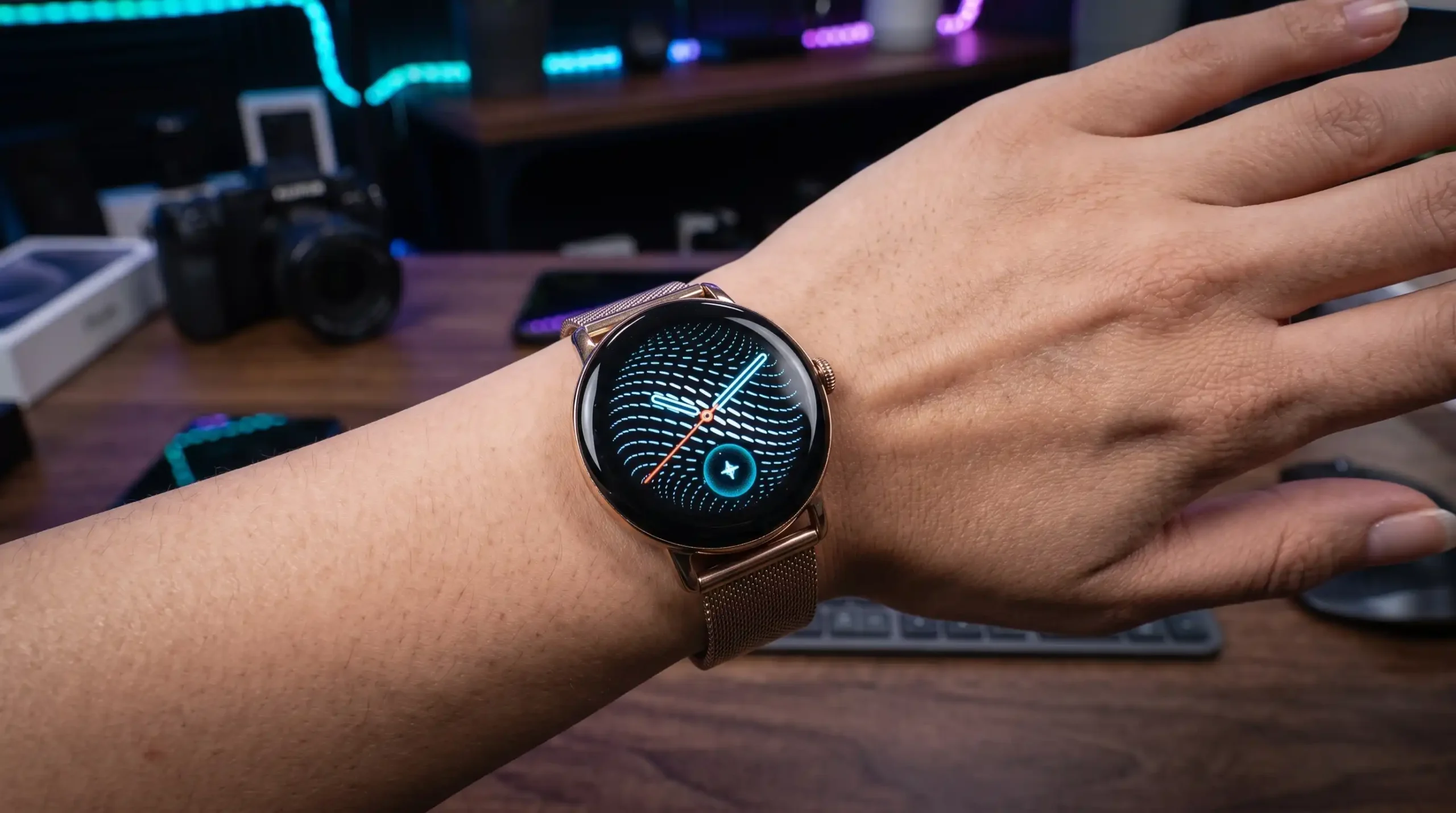
Google built the Pixel Watch 4 for Android loyalists who want deep Gemini integration. It adds emergency satellite connectivity, so you can call for help even without cell service.
Pros
- Includes emergency satellite connectivity
- Offers dual-band GPS for more accurate tracking
- Provides hands-free Gemini voice assistant access
- Charges to 50% in under 15 minutes
Cons
- Health coach features aren’t available yet
- Battery barely lasts past 24 hours
- Watch bands are awkward to swap
Best for Recovery Tracking: Whoop 5.0
Whoop 5.0 skips the screen entirely and focuses on strain, recovery, and sleep data. We found its AI coaching genuinely useful for adjusting workout intensity day to day, rather than just displaying raw numbers.
Pros
- Battery lasts for days and charges on your wrist
- Comfortable, minimalist design that won’t disturb sleep or workouts
- Delivers personalized coaching through an AI chatbot
- Provides detailed sleep, strain, and recovery insights
Cons
- Requires an ongoing subscription for data insights
- Skips a display, GPS, and smartwatch features entirely
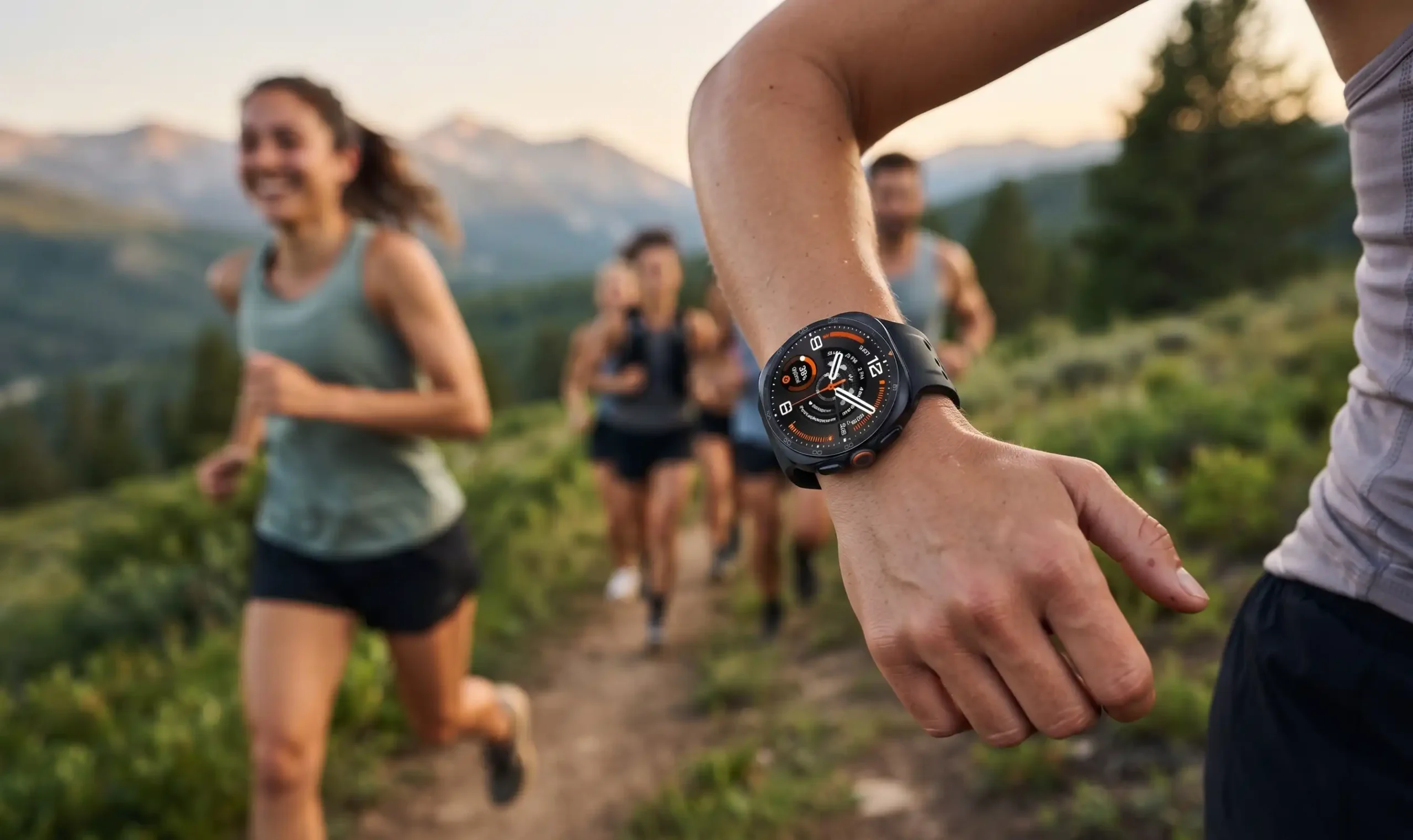
Best for Runners: Garmin Forerunner 970
Garmin built the Forerunner 970 specifically for serious runners and endurance athletes. It tracks recovery metrics in depth and lets you build custom routes before you head out.
Pros
- Tracks recovery and activity data in detail
- Lets you build and follow custom routes
- Includes a built-in LED flashlight for safety
- Delivers long battery life for multi-day use
Cons
- Costs more than most competitors
- Feels harder to navigate if you’re not tech-savvy
- Occasionally lags on certain features
Best Value Run Watch: Suunto Run Watch
The Suunto Run Watch keeps things simple. It skips flashy extras and focuses on accurate run tracking at a lower price point than Garmin’s lineup.
Pros
- Delivers strong value for a dedicated run watch
- Provides accuracy close to what you’d expect from a premium sports watch
- Records multiple workout types beyond running
- Stays lightweight on your wrist
Cons
- Won’t satisfy users who want a multi-feature smartwatch
- The included charger feels poorly designed
Best Ring Tracker: Oura Ring 5
The Oura Ring 5 proves you don’t need a screen to get serious health data. It tracks more than 50 metrics, including readiness, sleep, and stress scores, all from a slim ring you barely notice on your finger.
Pros
- Uses a thinner band than previous generations
- Comes in multiple colors and finishes
- Delivers readiness, sleep, and stress scores
- Automatically detects activity without manual logging
- Tracks more than 50 health metrics total
Cons
- Requires a subscription for full feature access
- Skips built-in GPS entirely
Fitness Trackers Compared
| Fitness Tracker | Format | Compatibility | GPS | Battery Life | Water Resistance | Subscription Cost |
|---|---|---|---|---|---|---|
| Fitbit Charge 6 | Watch | iOS and Android | Yes | 7 days | 50m | $10/month or $80/year |
| Apple Watch Series 11 | Watch | iOS | Yes | Up to 24 hours | 50m | Free |
| Apple Watch SE 3 | Watch | iOS | Yes | 18 hours | 50m | Free |
| Pixel Watch 4 | Watch | Android | Yes | Up to 40 hours | 50m | Free |
| Whoop 5.0 | Wristband | iOS and Android | No | 14 days | 10m | $149–$359/year |
| Garmin Forerunner 970 | Watch | iOS and Android | Yes | 26 hours | 50m | $4.99+/month |
| Suunto Run Watch | Watch | iOS and Android | Yes | 12 days | 50m | Free |
| Oura Ring 5 | Ring | iOS and Android | No | 8 days | 100m | $6/month or $70/year |
How We Test Fitness Trackers
Our wellness and wearables team spends months testing each device before publishing a recommendation. We track price, accuracy, special features, battery life, compatibility, water resistance, and comfort throughout that process. We also wear each tracker through real workouts, including running, hiking, walking, Pilates, and weightlifting sessions, to see how it holds up under different conditions.
Every tracker on this list stood out during that testing, and it’s a device our team would genuinely keep wearing after the review ends.
Our Heart Rate Accuracy Testing
We ran a dedicated lab test to find the most accurate heart rate monitor among today’s top smartwatches. Using a Polar H10 chest strap as the control device, we compared the Apple Watch Series 11, Garmin Venu 4, Google Pixel Watch 4, Samsung Galaxy Watch 8, and Amazfit Bip 6 head to head.
Each device completed three one-mile runs on a flat track, covering three total miles. Two laps targeted roughly 70% heart rate intensity, while the other two pushed past 80%. We then compared each device’s exported data against the Polar H10 baseline. The Apple Watch Series 11 came out on top, posting an error rate under 1% compared to the chest strap.
What to Consider Before Buying a Fitness Tracker
Picking the right fitness tracker comes down to matching the device to your actual habits, not just chasing the longest feature list.
Format: Decide between a ring or a wrist-based device first. A ring works well if you want something discreet that you can wear constantly. A watch or wristband makes more sense if you like glancing at a screen for quick stats.
Compatibility: Confirm the tracker works with your phone’s operating system before you buy. Apple Watches only pair with iOS, while most other options on this list support both iOS and Android.
Storage capacity: Choose a tracker with its own storage if you don’t want it dependent on your phone nearby, especially for offline music or maps during workouts.
Special features: Think about which health metrics matter most for your workouts. Pick a smartwatch like the Pixel Watch 4 or Apple Watch SE 3 if you want more than basic fitness tracking.
Wi-Fi or Bluetooth: Look for Wi-Fi support if you like leaving your phone at home but still want internet access during a workout.
GPS: Runners, hikers, and walkers who want accurate distance and pace data without a phone should prioritize built-in GPS.
Screen size: Pick a screen size that matches your personal preference. Smaller screens keep the device more discreet on your wrist.
Battery life: Consider how often you’re willing to charge the device, especially if you use it heavily for specific workout types.
Water resistance: Swimmers and pool-goers need a tracker rated for the depth they plan to submerge it in.
Subscription cost: Many trackers charge a subscription for full feature access. Check the total yearly subscription cost alongside the upfront device price before you commit to a budget.
Quick Verdict
| Fitness Tracker | Rating (1–10) |
|---|---|
| Fitbit Charge 6 | 9 |
| Apple Watch Series 11 | 9 |
| Apple Watch SE 3 | 8 |
| Pixel Watch 4 | 8 |
| Whoop 5.0 | 8 |
| Garmin Forerunner 970 | 8 |
| Suunto Run Watch | 7 |
| Oura Ring 5 | 8 |
Overall Pros and Cons of Using a Fitness Tracker
Pros
- Provides objective data on activity, heart rate, and sleep instead of relying on guesswork
- Helps build consistent workout habits through reminders and streak tracking
- Flags potential health concerns early, such as irregular heart rhythms
- Fits a wide range of budgets, from ring trackers to premium GPS watches
Cons
- Many top features sit behind recurring subscription fees
- Battery life still requires regular charging for most watch-style trackers
- Accuracy can vary between devices and workout types
- Constant metric tracking can feel overwhelming for casual users