Google Pixel 11: Should You Buy It for the AI, or Skip It for the Hardware?
Every Pixel launch raises the same question. Does Google’s AI pitch justify skipping a phone with stronger raw hardware? The Pixel 11 forces that question again, and the answer depends entirely on how you use your phone.
Google prices the Pixel 11 at Rs. 89,999 in India. That converts to roughly $940 at current exchange rates. At that price, buyers can choose a phone built around specs, or one built around software. This guide helps you decide which one fits you.
Skip the Spec Sheet. Ask Yourself This Instead
Most reviews compare megapixels and chip benchmarks. That approach misses the real decision buyers face.
The Pixel 11 isn’t competing on raw power. Google built it around three pillars: clean software, computational photography, and long-term support. Buyers who value those three things will love this phone. Buyers chasing gaming performance or flashy specs won’t.
Ask yourself one question before reading further: do you want a phone that gets smarter over time, or one that’s fastest on day one? That single question decides whether the Pixel 11 belongs on your shortlist.
What $940 Actually Buys You
At $940, the Pixel 11 sits in premium flagship territory. That price buys a compact 6.3-inch phone, three rear cameras, and Google’s Tensor G6 chip.
It also buys something rivals rarely offer: seven years of OS and security updates. Few phones at this price match that promise. Buyers who keep phones for four or five years get real value from that alone.
The trade-off comes in raw performance. Buyers hunting for the fastest chip or the best refresh-rate panel should look at the Pro model or a competing flagship instead.
Who Should Actually Buy This Phone
Three buyer types get genuine value from the Pixel 11.
Photography-first users benefit the most. The 48-megapixel primary camera delivers sharp, well-balanced shots without any manual tweaking. Point, shoot, done.
Long-term owners also win big. Seven years of updates means this phone stays current well past when most Android devices get abandoned by their makers.
AI-curious users who want practical tools, not gimmicks, will appreciate features like cleaner voice dictation and smarter message summaries pulled from Gmail and Messages.
Who Should Skip It
Mobile gamers should walk away. The Tensor G6 chip struggles with demanding titles. One popular game turned the screen pink during testing, making it unplayable outright. Other titles stuttered under higher graphics settings.
Battery-conscious users should also pause. Six to seven hours of screen-on time means daily charging stays mandatory. Anyone wanting two-day battery life needs a different phone.
The AI Question: Useful Tool or Marketing Buzzword?
This is where the Pixel 11 either wins or loses buyers.
Some AI tools genuinely solve everyday problems. Voice dictation now strips filler words automatically, which makes hands-free texting far more usable. Gemini can also pull relevant details from Gmail and Messages, saving time when drafting replies or planning something quickly.
Other features feel like Google flexing its AI muscle without a clear use case. Buyers should treat flashy AI demos with skepticism. The real value sits in the features you’ll use daily, not the ones that sound impressive in a keynote.
Design and Display: Familiar, Not Flashy
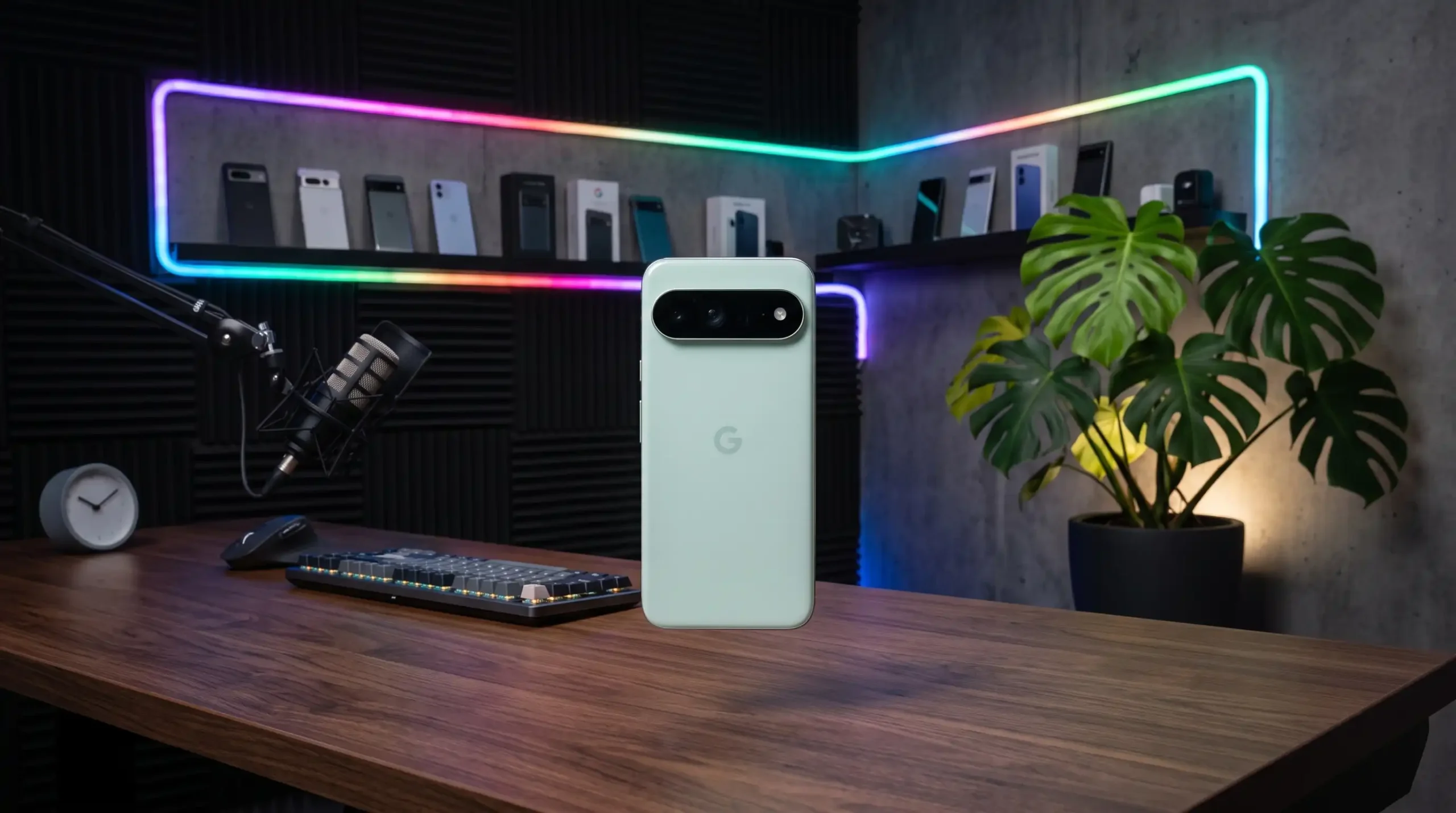
Google kept the signature camera bar design, though it’s slightly thinner this year. The phone weighs 197g, heavier than most rivals on paper. In hand, the weight feels balanced rather than bulky.
The 6.3-inch OLED display looks sharp and colorful for everyday use. It lacks the adaptive refresh-rate technology found on the Pro model, though. Casual users won’t notice the difference. Power users might.
Final Verdict: Buy for the Ecosystem, Not the Chip
The Pixel 11 makes sense for one specific type of buyer: someone who wants a phone that improves through software over years, not just at launch.
Skip it if raw gaming power or class-leading battery life top your priority list. Buy it if you value a clean camera experience, meaningful AI tools, and update support that outlasts most competitors.