Galaxy Z Fold 8 vs Galaxy Z Fold 8 Ultra: Full Specs Comparison and What’s New
Samsung has officially expanded its foldable lineup with two distinct book-style devices: the Galaxy Z Fold 8 and the Galaxy Z Fold 8 Ultra. Rather than offering a single flagship foldable, Samsung is now splitting the line into a wider, more compact model and a taller, more premium “Ultra” variant that succeeds last year’s Galaxy Z Fold 7. The result is two phones built around noticeably different design philosophies, aimed at different types of users.
Here’s a full breakdown of how the two devices compare, and which one might suit your needs better.
Two Different Foldable Shapes, Two Different Use Cases
The most obvious difference between the two models isn’t found in a spec sheet — it’s in the shape of the phones themselves.
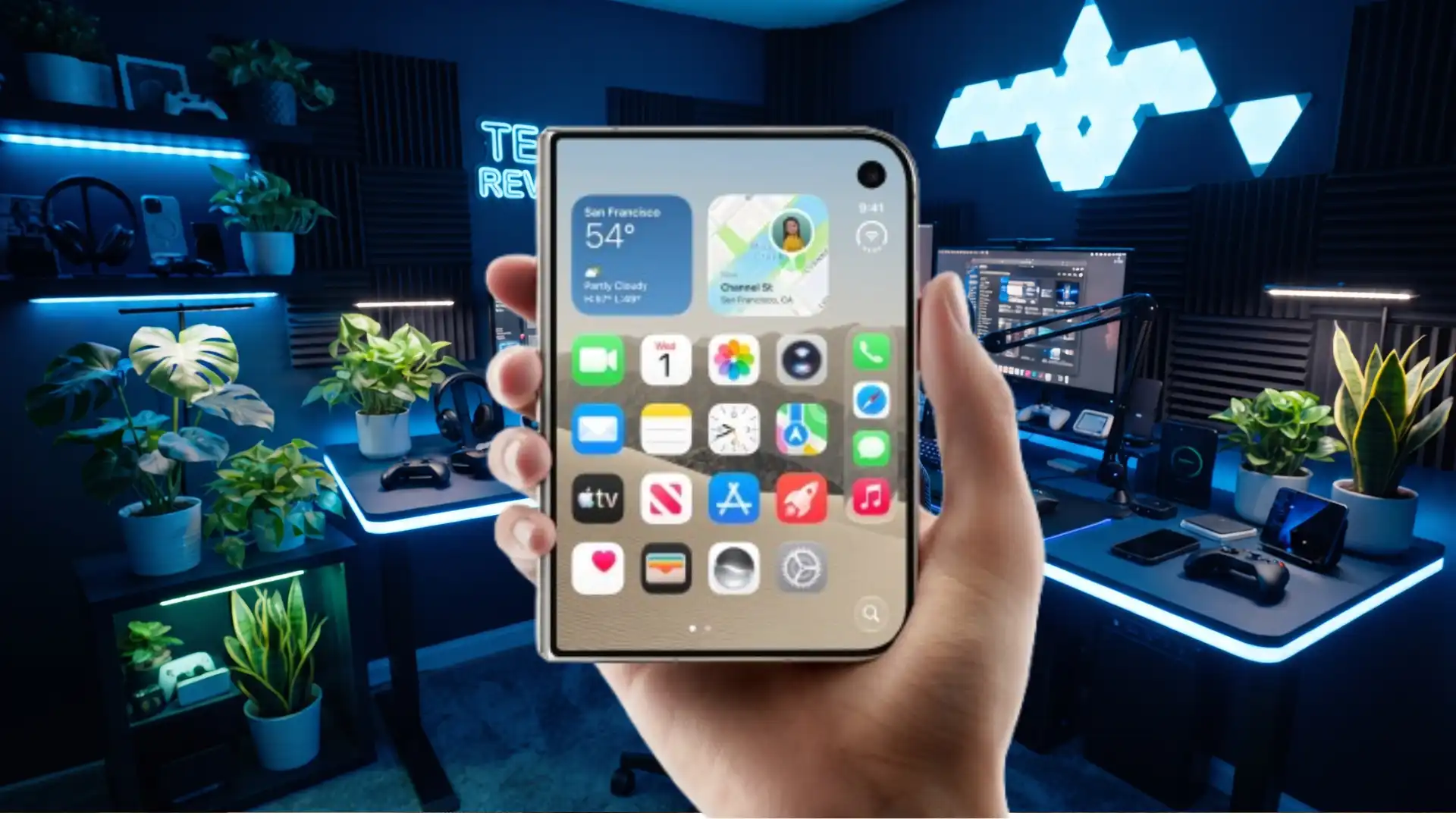
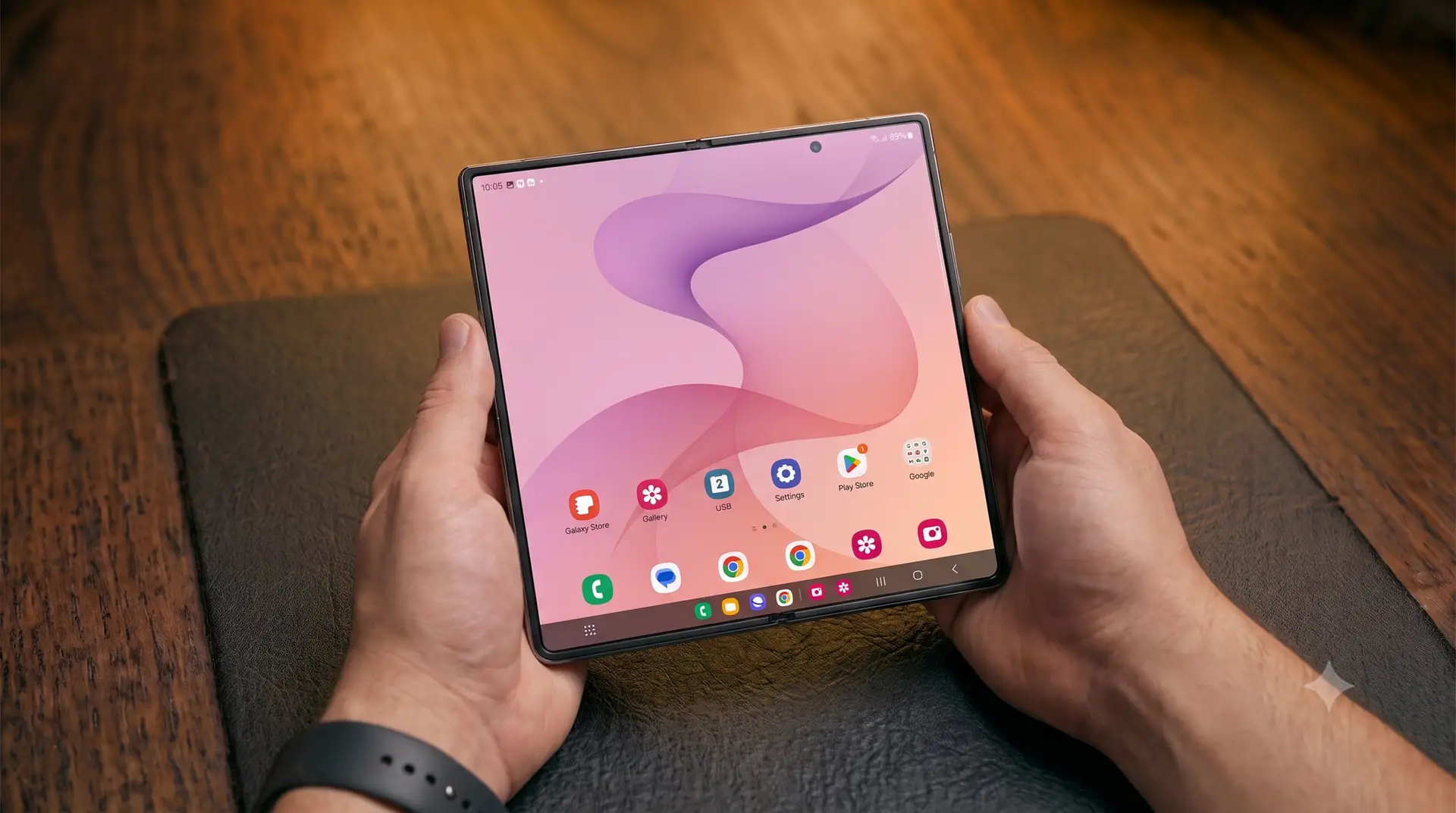
The Galaxy Z Fold 8 has a shorter, wider profile. Its 5.5-inch cover screen uses a 16:10 aspect ratio, which closely matches the 16:9 format common in online video and gaming content. Unfolded, its 7.6-inch main display switches to a 4:3 ratio, which is well suited to reading documents, browsing websites, or viewing photos in their native format.
The Galaxy Z Fold 8 Ultra, on the other hand, is built with productivity in mind. Its cover display stretches to 6.5 inches in a narrow 21:9 ratio, while the unfolded 8-inch internal panel uses an almost square 11:10 ratio. That squarer shape is ideal for multitasking, letting users run several apps side-by-side with plenty of usable space each — though it does mean more letterboxing when watching widescreen video.
In terms of body dimensions, the Z Fold 8 Ultra is the sleeker of the two, with a narrower and slightly thinner closed profile compared to the standard Z Fold 8. The Ultra also weighs a bit more when folded shut but is designed to feel closer to a conventional slab phone in hand.
Display Specifications
| Feature | Galaxy Z Fold 8 | Galaxy Z Fold 8 Ultra |
|---|---|---|
| Cover Display | 5.5″, 1972 x 1248, 120Hz | 6.5″, 2520 x 1080, 120Hz |
| Inner Display | 7.6″, 2448 x 1848, 120Hz (4:3) | 8.0″, 2504 x 2256, 120Hz (11:10) |
| Panel Type | Foldable LTPO AMOLED 2X | Foldable LTPO AMOLED 2X |
Both devices use LTPO OLED technology across all panels, supporting adaptive refresh rates between 1-120Hz. The Ultra’s inner display resolution marks a clear jump over its predecessor, translating into a noticeably sharper image for text and detailed content.
Performance and Storage
Both phones share the same processor: the Qualcomm Snapdragon 8 Elite Gen 5, in its “For Galaxy” configuration — the same enhanced-clock-speed variant found in the Galaxy S26 Ultra. There’s no Exynos version of either foldable this generation.
Storage and memory options are also nearly identical:
- 256GB / 12GB RAM
- 512GB / 12GB RAM
- 1TB / 16GB RAM
The Ultra reportedly includes a larger graphite cooling sheet, which could give it an edge in sustained performance during longer tasks, even though peak performance should be the same across both models.
Both devices run Android 17 with One UI 9 out of the box, and Samsung is backing them with a promised 7 years of OS updates and security patches.
Camera Comparison
This is where the two foldables diverge the most. The Galaxy Z Fold 8 Ultra camera system includes:
- 200MP main sensor with enhanced HDR, supporting 2x in-sensor zoom
- 50MP ultra-wide sensor
- Dedicated 10MP telephoto sensor with 3x optical zoom
- 8K video recording with APV codec support and Cine LUTs
The standard Galaxy Z Fold 8 takes a simpler two-camera approach:
- 50MP main sensor, also handling 2x in-sensor zoom duties
- 50MP ultra-wide sensor
- No dedicated telephoto lens
Selfie cameras are identical across both models: a 10MP sensor with an 85-degree lens on the cover display, and a 10MP sensor with a wider 100-degree lens on the inner display.
Battery and Charging
Samsung appears to have adopted silicon-carbon battery technology across the lineup, enabling larger capacities without added bulk.
| Feature | Galaxy Z Fold 8 | Galaxy Z Fold 8 Ultra |
|---|---|---|
| Battery Capacity | 4,800 mAh | 5,000 mAh |
| Wired Charging | 45W (63% in 30 min) | 45W (67% in 30 min) |
| Wireless Charging | 20W | 20W |
| Reverse Wireless | Not specified | 4.5W |
Both batteries represent a meaningful upgrade over the Z Fold 7’s 4,400 mAh cell and its 25W wired charging, which previously topped out around 50% in half an hour.
Colors and Pricing
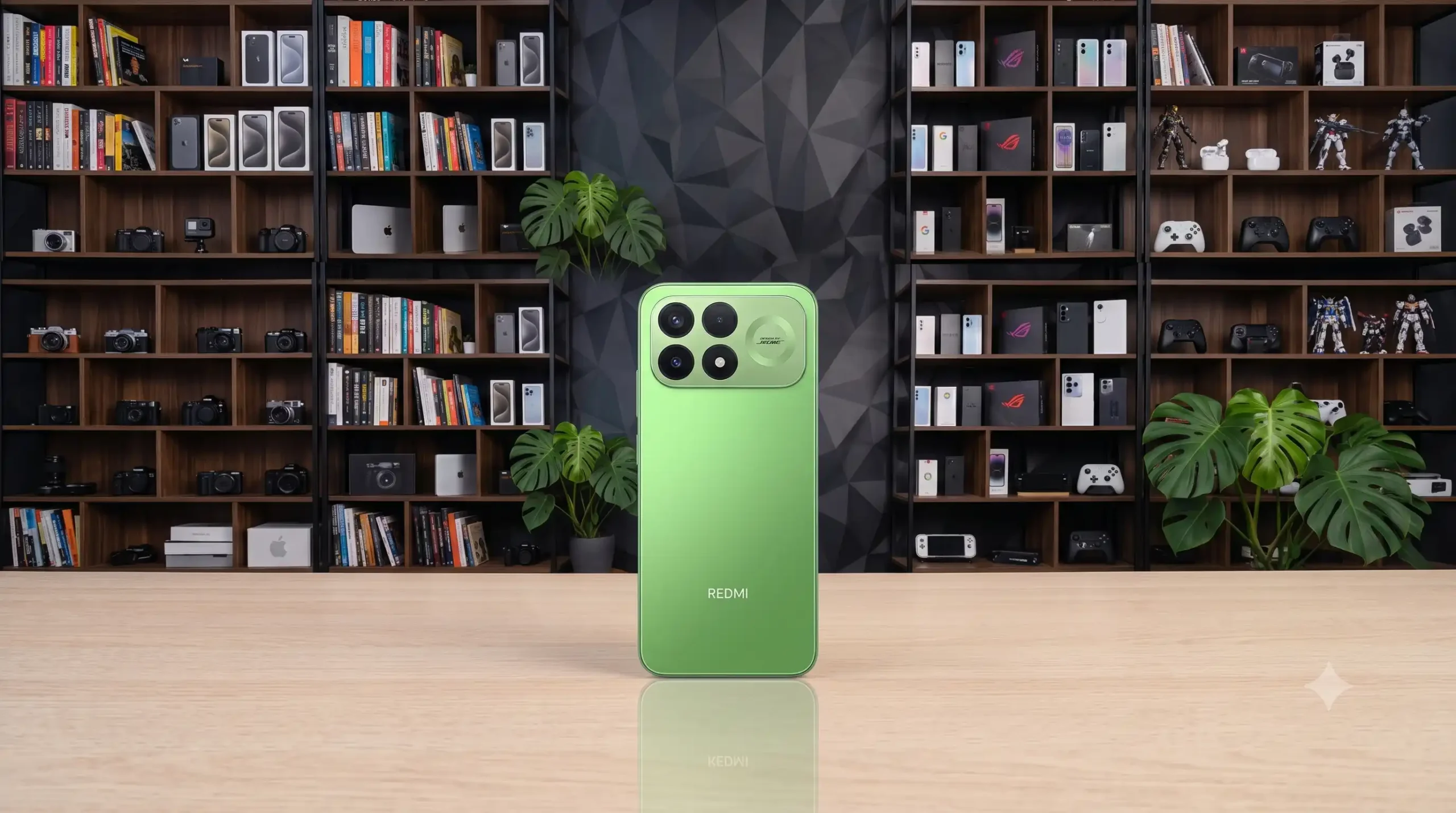
The Galaxy Z Fold 8 will reportedly be available in Graphite, Cream, Lavender, and Pistachio, while the Galaxy Z Fold 8 Ultra adds Violet Shadow and Green Shadow to the Graphite and Cream options.
Pricing details vary slightly by region and retailer, with early estimates placing the standard Galaxy Z Fold 8 starting at around €1,999 / $2,100, and the Galaxy Z Fold 8 Ultra starting at approximately €2,199 in European markets. Final regional pricing will likely be confirmed at Samsung’s official launch event.
Which One Should You Choose?
- Choose the Galaxy Z Fold 8 if you want a phone that feels more compact side-to-side, favors document and text-based use on its 4:3 display, and don’t need a telephoto camera.
- Choose the Galaxy Z Fold 8 Ultra if you prioritize multitasking on a larger, near-square display, want the most advanced camera system Samsung offers on a foldable, or need the extra battery capacity and faster charging recovery.
Both devices mark a significant leap over the Galaxy Z Fold 7, with meaningful upgrades to battery life, charging speed, and (for the Ultra in particular) camera capability. As Samsung’s official event approaches, expect final confirmation of full regional pricing and availability dates.