Samsung Buried the Galaxy F70 Pro’s Best Feature Under a Camera Spec Sheet
Samsung launched the Galaxy F70 Pro 5G in India on August 3, 2026, and most coverage led with the same three numbers: a 50-megapixel main camera, a 6,000mAh battery, and a Snapdragon 6 Gen 3 chip. Those specs are fine. None of them explain why this phone actually matters.
Buried near the bottom of Samsung’s own spec sheet sits the real story: six years of OS updates and six years of security patches, on a phone that starts under Rs 26,000. That’s the number I’d lead with.
Why Update Promises Matter More Than Megapixels
Camera specs age the moment a newer phone launches. Software support doesn’t work that way. A phone that stays patched for six years keeps running smoothly long after its camera numbers stop sounding impressive.
I’ve watched this pattern play out with budget and mid-range phones for years: solid hardware on release day, then slow performance and missed security patches within 24 months. A mid-range phone promising the same update timeline as a flagship changes that math entirely. If Samsung actually delivers six full years here, the F70 Pro could outlast phones that cost twice as much.
The Spec Sheet Everyone Else Already Covered
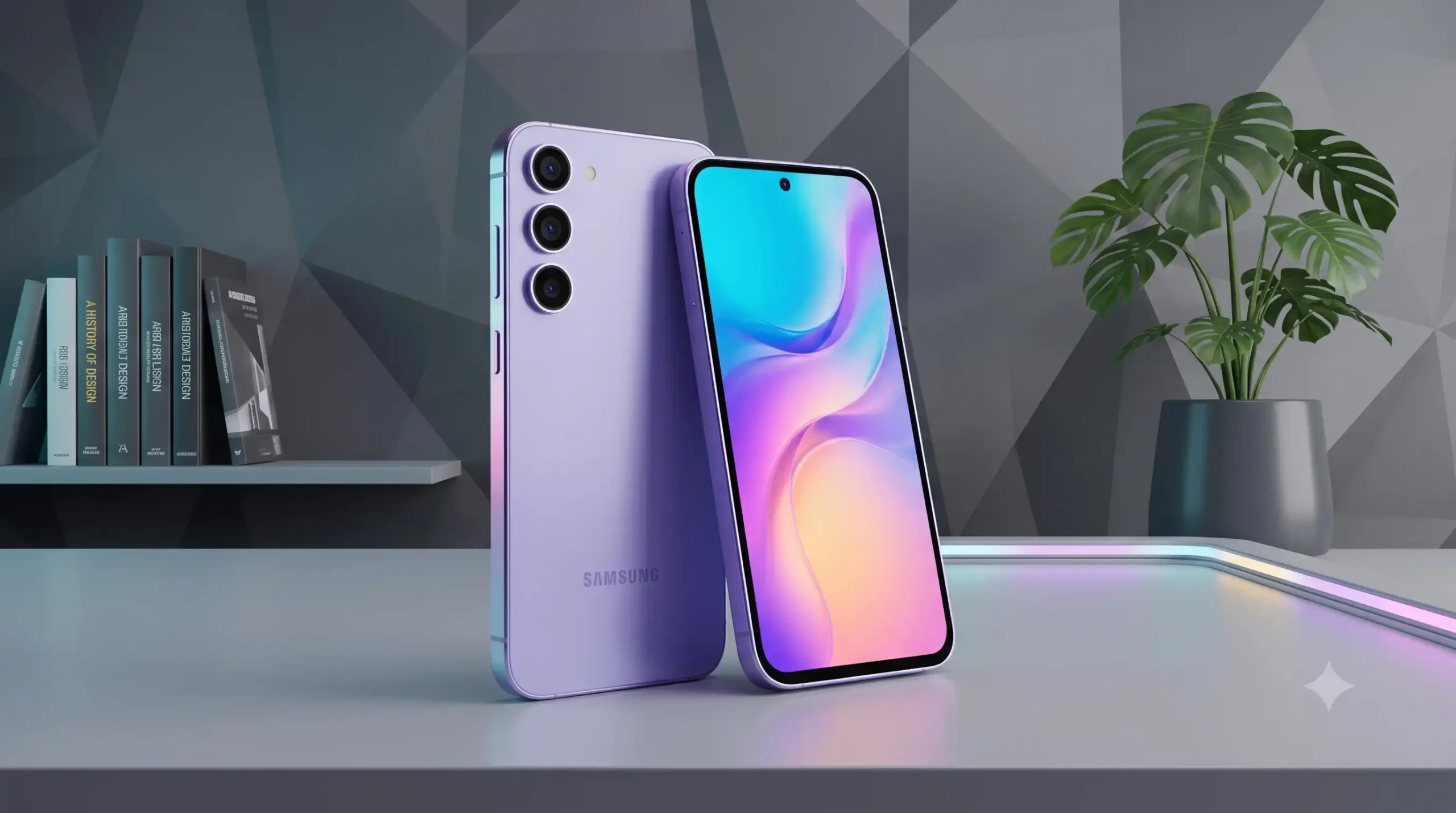
For readers who still want the numbers: the F70 Pro ships with a 6.7-inch Full HD+ Super AMOLED display running at 120Hz, protected by Gorilla Glass Victus+. A Snapdragon 6 Gen 3 chipset handles performance, paired with up to 8GB of RAM and storage options reaching 256GB.
The rear camera setup pairs a 50-megapixel main sensor with optical image stabilization alongside a 5-megapixel ultrawide lens and a 2-megapixel macro shooter. A 12-megapixel front camera covers selfies and video calls. A 6,000mAh battery with 45W wired charging rounds out the package, running Android 16 through Samsung’s One UI 8.5.
None of that is groundbreaking for this price bracket in 2026. It’s competent, not remarkable. That’s exactly why the update commitment matters so much here: the hardware alone wouldn’t justify much attention twelve months from now.
What This Means If You’re Shopping Outside India
Right now, the Galaxy F70 Pro is only confirmed for the Indian market, sold through Flipkart and Samsung’s own online store. Converted roughly, its pricing lands between 4.6 and 6.1 million rupiah depending on the variant you pick.
I wouldn’t expect an identical launch in Indonesia any time soon. Samsung’s F series has historically stayed India-focused, while similar hardware often reappears locally under the M series or A series naming instead, sometimes with different pricing entirely. If you’re in Indonesia and this phone caught your eye, the smarter move is watching for Samsung’s next M-series or A-series launch with comparable specs, rather than waiting on an F-series import.
Where the Price Actually Sits
At Rs 25,999 for the base configuration, the F70 Pro competes directly against a crowded field of upper mid-range phones promising similar camera and battery numbers. Hardware alone won’t win that fight; too many competitors already match it feature for feature.
The six-year update pledge is what could actually separate this phone from that pack, assuming Samsung follows through the way it has on recent flagship models. That’s the detail I’d want confirmed with real-world update rollouts before recommending this over a cheaper alternative with a shorter support window.
My Take
Specs sell phones on launch day. Update policies decide whether that purchase still feels smart two years later. The Galaxy F70 Pro isn’t the most exciting phone Samsung launched this year, but it might be the one aging the best, provided Samsung actually keeps its word on those six years.