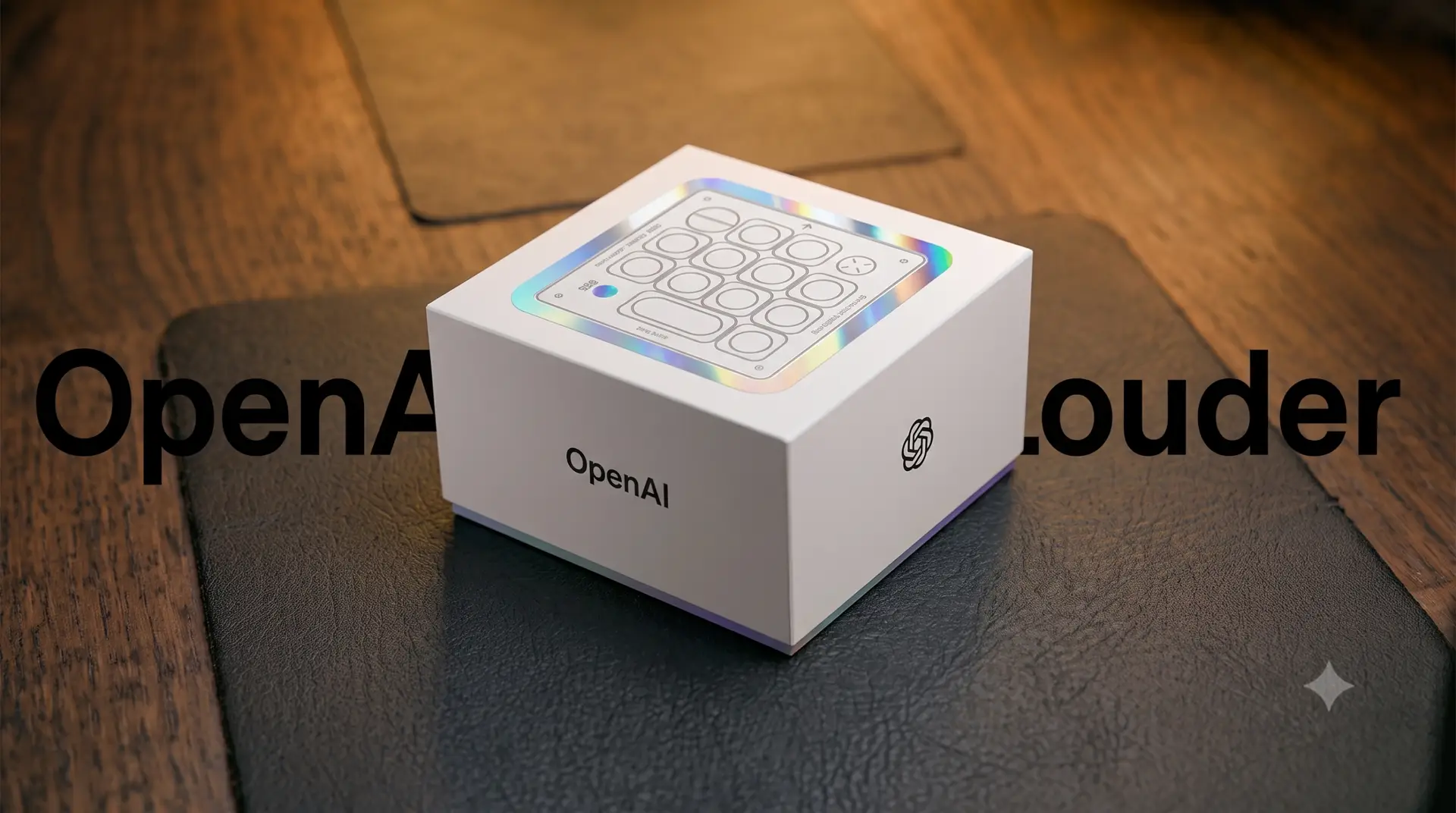
OpenAI has officially made its first move into physical hardware, and it's not the long-rumored smart speaker everyone's been expecting — it's a $230 keypad. Called the Codex Micro, the device is designed specifically to help developers manage and control Codex, OpenAI's AI coding assistant that can autonomously write and run code with minimal supervision.
What Is the Codex Micro?
The Codex Micro was developed in partnership with Work Louder, a boutique keyboard maker known for niche, creator-focused input devices. Rather than functioning as a general-purpose keyboard, it's built as a dedicated control panel for managing fleets of AI coding agents through Codex.
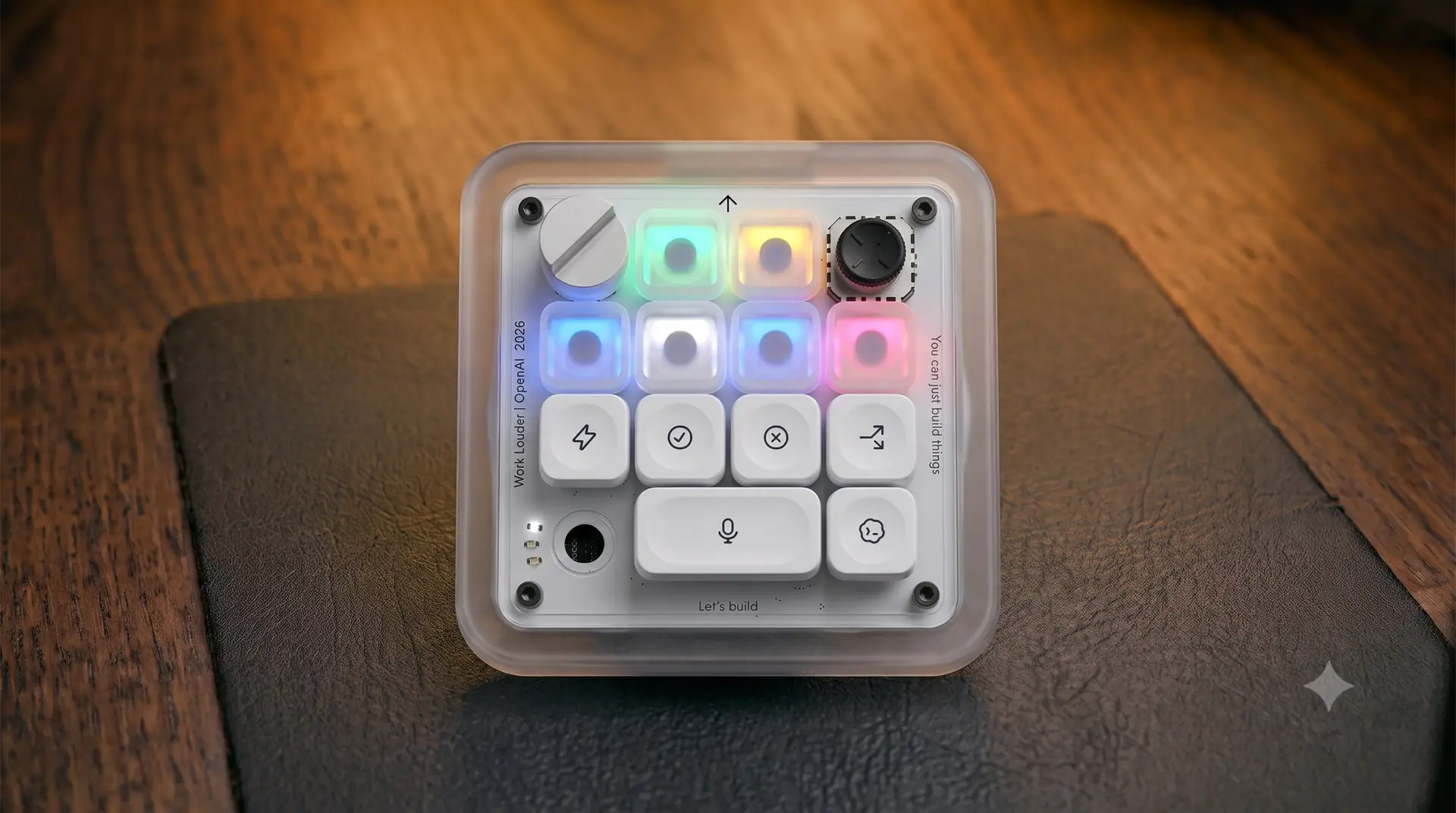
The keypad ships with six backlit keys, often referred to as "Agent Keys," that visually indicate the live status of active coding agents. Beyond that, it includes customizable shortcut keys for common Codex actions, such as accepting or rejecting AI-generated code and switching between conversation threads. A physical dial lets users adjust how much computational "reasoning" an agent applies to a given task, while a small joystick makes it easy to jump between different Codex workflows.
Everything on the device is customizable, and it even ships with extra keycaps for users who want to program their own custom actions.
Why a Physical Keypad for AI Agents?
The reasoning behind a dedicated keypad is simple enough: rather than juggling AI coding agents purely through a phone screen or a desktop window, developers now have a tangible, always-on control surface for agentic work right at their fingertips. It's admittedly a narrow use case, but it lines up well with the direction OpenAI has been pushing Codex toward lately.
Codex has recently evolved beyond a simple coding assistant into what OpenAI is positioning as a broader productivity "super app," merging standard ChatGPT functionality with Codex and a newer general-purpose agent tool. For developers who rely heavily on this ecosystem, having physical, tactile controls could make navigating multiple agents and workflows noticeably faster than tapping through app menus.
The device connects to and is configured through the ChatGPT desktop app, and OpenAI has described it as a limited-run collaboration rather than a mass-market product — more of a novelty accessory marking its entry into hardware than a flagship device.
A Bigger Hardware Play Is Coming
While the Codex Micro is a small, low-risk first step, it's not the hardware project generating the most buzz around OpenAI right now. Reports have surfaced describing a separate, still-unreleased device: a portable, screenless smart speaker built to integrate with ChatGPT, reportedly featuring mechanical components capable of independent movement.
Details remain scarce, and OpenAI hasn't commented publicly on specifics, but the concept suggests something considerably more ambitious than a keypad — and reports indicate the device is still evolving and far from finalized.
Adding another layer of intrigue, the speaker project is said to involve former Apple engineers, a detail that's become especially notable given Apple's recent lawsuit against OpenAI. Apple has accused OpenAI's leadership of orchestrating a deliberate effort to obtain confidential information, alleging that data played a role in the development of OpenAI's hardware plans. OpenAI has denied any wrongdoing, and the legal dispute specifically names two employees who previously worked at Apple.
Pricing and Availability
The Codex Micro is priced at $230 and can be ordered directly through both OpenAI and Work Louder's online stores. Work Louder has indicated that only a limited quantity is currently available, so the keypad may sell out before a wider restock happens.
The Bigger Picture
The Codex Micro itself is a relatively low-stakes product — a niche accessory for a specific slice of power users managing AI coding agents. But its release matters more as a symbolic first step: OpenAI's formal entry into hardware, arriving right as its more ambitious device faces legal scrutiny before it's even launched. Whether the Codex Micro turns into the start of a broader hardware lineup or remains a one-off collaboration likely depends on how that bigger, more complicated project plays out.